Home » Latest news » Unified communications explained: one platform for calls, video and messaging

Most organisations still run their communications on tools that arrived one at a time, with no larger plan connecting them: a phone system bought in one decade, a video tool adopted during another, chat apps that teams started using because they were convenient, and mobile numbers that walk out the door with the people who own them. Unified communications is the unglamorous name for fixing all of that at once.
This explainer covers what unified communications actually means, why so many UK organisations are moving now, and what a migration involves.
One platform carrying your calls, video meetings, messaging, and presence (the little indicator that shows whether a colleague is free), with one identity per person across all of them. Delivered from the cloud, it goes by UCaaS, unified communications as a service, and is priced per user per month like any other subscription, which also means it stops being a depreciating asset on somebody's books.
The practical effect is that "phone system" stops being a box on the wall and becomes a service your people carry with them: the same number and the same conversations on a laptop in the office, a mobile on a train, or a headset at home. Customers dial one number and reach a person, not a desk. Voicemail and call recording stop being separate products and become settings.
The forcing event is the retirement of the UK's analogue phone network. Openreach is withdrawing the copper-based services that traditional phone lines and many older systems depend on, with the final switch-off on 31st January 2027. In February this year Openreach said around 2.8 million lines were still on the old network, more than 500,000 of them serving business premises, and that wholesale prices on those lines would rise in April, July, and October 2026 to encourage the remaining customers to move. A business still running on analogue lines or an ISDN-based PBX (the private branch exchange, the traditional office phone switchboard) is now planning its exit whether it wants to or not, and is paying more each quarter the longer it waits.
There are older reasons too. On-premise phone systems carry maintenance contracts, hardware that fails, and features frozen at the point of installation. Hybrid working made the problem obvious, because a phone fixed to a desk is no use to someone who is working elsewhere. Most organisations we speak to are not choosing between keeping the old system and moving; they are choosing between moving on a plan and moving in a hurry.
It replaces more than the phones. A typical setup includes a PBX and its support contract, a separate video conferencing subscription, call recording bolted on for compliance, and a set of workarounds on top, most often people using personal mobiles for work calls. Consolidating those into one platform usually saves money outright, and it always saves administration, because there is finally one supplier to call when something misbehaves.
Taken one piece at a time, the on-premise PBX and its maintenance contract give way to a cloud calling licence for each user, so there is no hardware left to fail and the cost moves from capital to a monthly line. The separate video conferencing subscription goes because meetings sit in the same app as calls, which means one invoice fewer and one login fewer to support. Call recording becomes a setting with a retention policy attached, so compliance recording stops depending on a box in a cupboard. Work calls move off personal mobiles and onto a business number in the mobile app, and those numbers stay with the business when people leave. Desk phones for everyone become headsets, with handsets only where they are needed, which leaves fewer devices to buy, patch, and replace.
It also puts your phones under the same management as your other systems: one directory, one sign-in, one place to set who can do what, and call data that finally reaches the same reporting as everything else.
Teams Phone. If your business already lives in Microsoft 365, adding calling to Teams is the path of least resistance: your people keep the app they know, and the phone system becomes a licence rather than a device. We run SIP-to-Teams migrations regularly (SIP being the standard that carries voice calls over the internet), including for the accountancy firm Mercer & Hole, where voice moved into Teams across four offices and replaced multiple separate communications contracts, as part of a wider consolidation of its infrastructure and licensing.
A dedicated UCaaS platform. Purpose-built platforms carry deeper calling features: contact centre tools, advanced call routing, and analytics that Teams matches only with add-ons. Organisations with heavy inbound call operations, or a customer service function measured on response, often justify the dedicated route.
Our guidance for most UK mid-sized organisations+: if you are on Microsoft 365 and your calling needs are ordinary, Teams Phone is the right answer, and paying for a second platform needs a specific reason. The dedicated platforms earn their place where calling is the business.
Numbers get ported across, which takes coordination but is entirely routine; call flows get redesigned; devices get rationalised, since most people need a headset rather than a handset; and people get shown the new habits, briefly, at their desks, because adoption is won or lost in the first fortnight after go-live. Whoever answers your main number deserves their own conversation early, because they have the least tolerance for surprises and the best knowledge of how calls really flow.
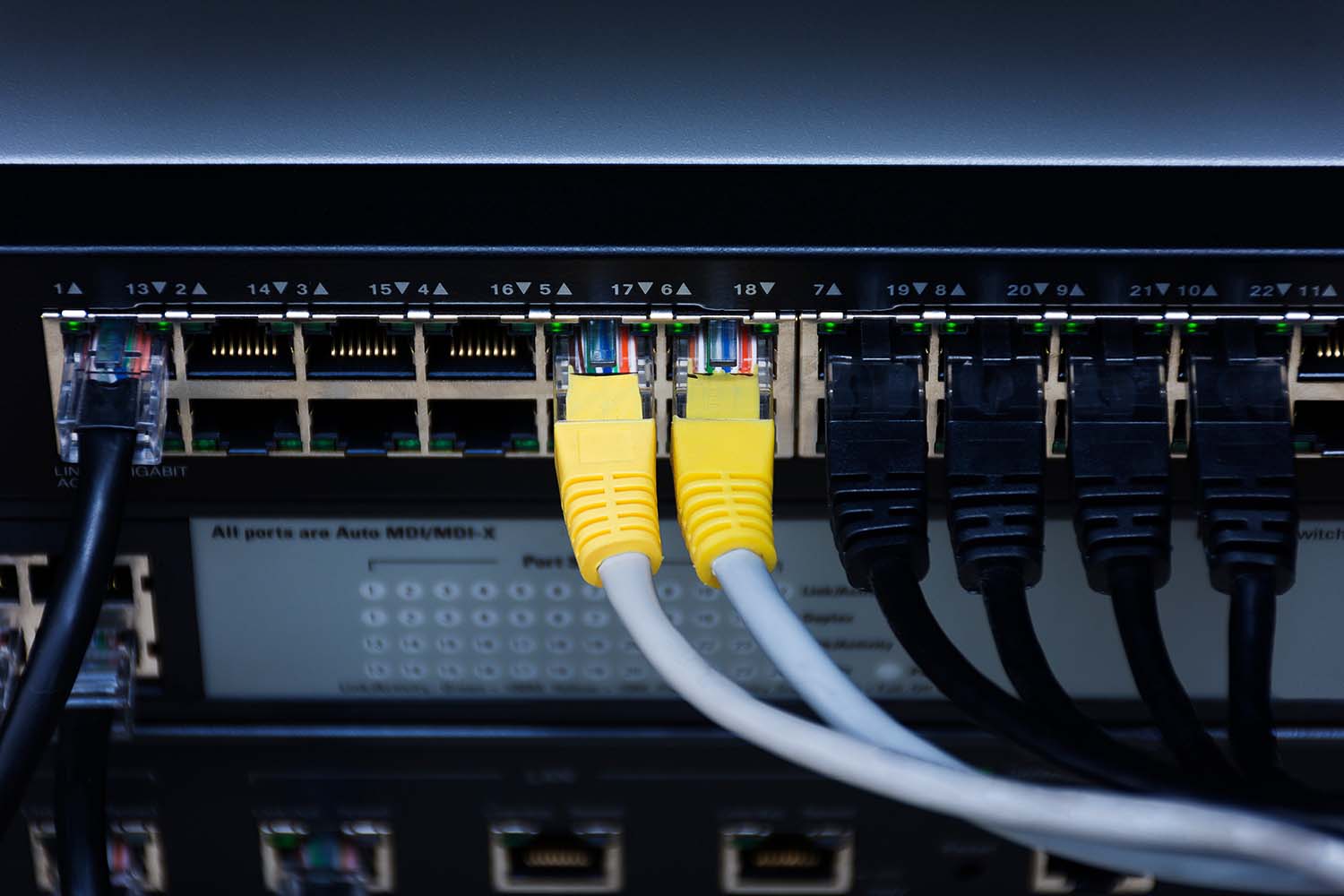
Voice depends on a good network more than anything else you run, because a call drops the moment the network falters, where an email just arrives a few seconds late. Before any migration we check the wireless coverage and the switch capacity, and our piece on why your network is the foundation of everything explains what we are looking for.
The migrations that go well start from a list of what the business actually does with its phones today: the numbers that matter and the call flows that earn money, plus any compliance recording that cannot lapse. The ones that go badly start with choosing a product before that list exists.
With the analogue switch-off now weeks away rather than years, there is no longer a case for waiting. Everything here sits under the growth side of what we do, because communications that follow your people are what let a business add sites and staff without adding phone projects. Talk to our connectivity team, tell us what your setup looks like today, and we'll set out the route from there, including whether your network is ready to carry it.